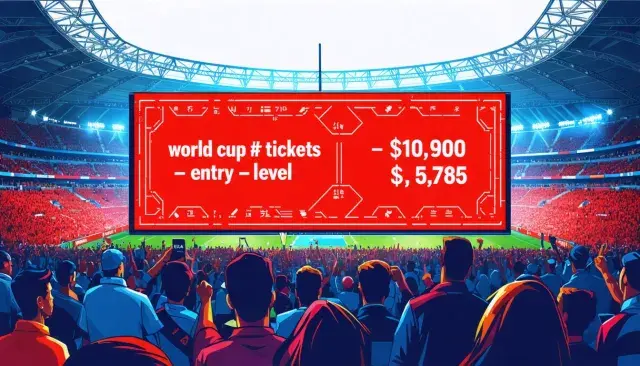

World Cup final tickets now climb as high as $10,900 in FIFA's latest sales, a stark departure from the $695 starting point projected in the U.S., Canada, and Mexico joint bid. Entry-level seats at $5,785 still exceed the bid's $1,550 cap by more than threefold. This escalation, driven by demand-based adjustments since October sales began, raises questions about accessibility for global audiences amid promises of broad availability.
Escalation from Projections to Current Listings
Initial general sales in October set Category 3 seats at $2,790 and Category 1 at $6,730, already above bid figures. Prices have since more than doubled for the final, reflecting continuous shifts. The joint bid by the three nations had outlined affordable entry points to attract diverse crowds, yet reality has diverged sharply.
Dynamic Pricing Fuels Ongoing Increases
FIFA employs a demand-responsive model where costs adjust in real time, complicating precise tracking on the official portal. Higher-profile fixtures command premiums, with limited availability noted for select nations like the Netherlands. While exact inventories remain opaque, releases are promised through the event's final stages, though current sales show scant low-cost options.
Responses to Backlash and Market Variations
In reaction to elevated prices, FIFA introduced a supporter entry tier at $60 for a few hundred seats, now depleted without confirmed sales data. The organization defends rates as aligned with North American norms and demand, directing revenue toward worldwide sport development. Secondary markets exacerbate issues: U.S. resales exceed face value, while Mexico prohibits such markups legally.
Implications for Event Equity and Revenue Flow
These price trajectories challenge the event's global reach, potentially sidelining supporters outside affluent regions despite reinvestment pledges. Persistent opacity in availability and pricing hinders planning, underscoring tensions between market dynamics and public expectations. As sales continue, scrutiny intensifies on balancing profitability with inclusive access.